Alligator Swimming in the Water: A Design Review
As an embroidery designer preparing for a seasonal drop, I am constantly evaluating how digital assets translate to physical garments. When reviewing the Alligator Swimming in the Water machine embroidery design for a new boutique sweatshirt collection, my primary focus is on stitch integrity and commercial viability. For small clothing brands and Etsy sellers, a design must be more than just a cute graphic; it must be technically sound enough to withstand production and washing while maintaining a premium aesthetic. This review breaks down exactly how this specific reptile motif performs on apparel, from stabilizer choices to brand positioning.
First Impressions and Stitch Personality
The initial appeal of Alligator Swimming in the Water lies in its narrative quality. Unlike generic clip art, this design captures a moment of relaxation that resonates with the current trend of cozy, nature-inspired apparel. The mood strikes a balance between playful and rustic, making it versatile for various demographics. As a Wild Animals category piece, it avoids being overly aggressive or cartoonish, which is crucial for adult-sized sweatshirts and oversized hoodies.
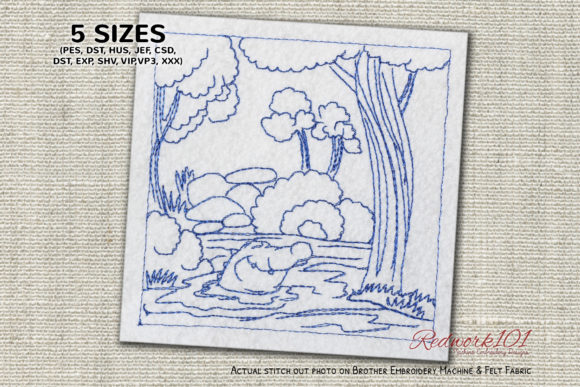
From a technical standpoint, the layout suggests a horizontal orientation that works exceptionally well across the chest of a hoodie or centered on a crewneck sweatshirt. The description notes that "The Box Stitch shown in the picture is optional." This is a significant advantage for custom apparel creators. It allows you to offer two distinct SKUs from a single embroidery file: one with a structured, vintage-inspired border and another with a clean, modern silhouette. For a handmade product line, this flexibility helps maximize design assets without increasing digitizing costs.
Evaluating Fabric Compatibility and Placement
When planning a limited sweatshirt drop, fabric texture dictates the success of the embroidery. Fleece and French terry fabrics have a pile that can swallow fine details. I evaluated Alligator Swimming in the Water specifically for these thicker materials. The design appears to have sufficient open areas to prevent bulletproofing (stiff, dense patches), yet enough coverage to stand out against the fabric nap.
- Neutral Sweatshirts: On oatmeal, sand, or grey fleece, the alligator motif provides necessary contrast. The organic shapes complement the casual drape of neutral basics.
- Dark Fabrics: For navy or black hoodies, ensure your thread colors are vibrant. Dark backgrounds absorb light, so pastel or neon thread accents may be needed to make the water elements pop.
- Pastel Colors: This design feels particularly strong on sage green or dusty pink sweatshirts, leaning into a feminine, cottage-core aesthetic that performs well on Etsy.
- Oversized Hoodies: The horizontal aspect ratio prevents the design from looking lost on large garments. It anchors the visual weight effectively on the upper chest.
Technical Considerations for Commercial Embroidery
For creative entrepreneurs moving from hobbyist to commercial embroidery, understanding stitch density is non-negotiable. While I cannot verify the exact stitch count without testing the specific digital embroidery file, designs featuring water effects often risk high density due to layered fill stitches. Before running production, you must test the hoop size and stabilizer combination.
For sweatshirt embroidery, I recommend using a medium-weight cutaway stabilizer permanently fused to the garment. Tear-away options often fail on stretchy knits, leading to puckering around the alligator’s outline. Because this design includes water elements, which typically involve directional satin stitches or complex fills, proper hooping tension is vital. If the fabric shifts during stitching, the registration will be off, and the finished product will look amateur rather than boutique-grade.
Always check the specific dimensions of the embroidery file before purchasing. Ensure the design fits within your machine’s maximum field while leaving adequate margin for the hoop frame. Small-size readability is also a concern; if you plan to scale this down for sleeve accents or baby onesies, verify that the water details do not merge into a solid blob. Sometimes, simplifying the design by removing the optional box stitch is necessary for smaller applications to maintain clarity.
Brand Identity and Market Positioning
In the saturated market of custom apparel, buyer trust is built through consistency and quality. Using a well-digitized design like Alligator Swimming in the Water signals to customers that your shop cares about detail. Reptile lovers are a passionate niche, but they are also discerning. They can tell the difference between a cheap patch and high-quality embroidery. By offering a design that looks intentional and professionally executed, you elevate your brand identity above generic print-on-demand competitors.
This design also supports strong visual recognition. The unique combination of a swimming gator and the optional box stitch creates a signature look for your collection. When customers see similar styling in your future drops, they will associate it with your brand. Furthermore, because the design is described as making an impression, it serves as excellent content for lifestyle product photography. Mockup previews should showcase the texture of the stitches, not just a flat digital image. Zoom in on the thread sheen and the interaction between the embroidery and the sweatshirt fabric to demonstrate value.
Production Workflow and Value Assessment
Integrating this design into a small shop product lineup requires a strategic workflow. Start by creating a printable mockup to gauge customer interest before committing to bulk inventory. However, always follow up with a physical sew-out. Digital renderings cannot predict how thread colors interact with specific fabric dyes. You may find that the water needs a variegated thread to look realistic, or that the alligator requires a darker outline to separate it from the background.
- Test Sew-Out: Run the design on your actual production sweatshirt blank using your intended stabilizer.
- Wash Test: Wash and dry the sample three times. Check for thread shrinkage, color bleeding, or stabilizer residue.
- Mockup Creation: Photograph the washed sample for authentic listing photos. Avoid relying solely on software-generated images.
- Listing Optimization: Use terms like "boutique embroidery," "reptile lover gift," and "premium sweatshirt" to target the right audience.
The value of Alligator Swimming in the Water extends beyond the initial sale. It is a durable asset that can be repurposed across seasons. In spring, market it as a nature-themed Easter alternative; in summer, as lake-life apparel; in fall, as part of a rustic woodland collection. This longevity improves your return on investment for the digital embroidery file.
Final Verdict for Apparel Decorators
After evaluating the aesthetic versatility and technical requirements, Alligator Swimming in the Water stands out as a strong candidate for boutique merchandise. It bridges the gap between niche interest and broad wearable appeal. The optional box stitch feature demonstrates thoughtful digitizing that respects the end-user's need for variety. For Etsy sellers and handmade business owners, this design offers the opportunity to create a cohesive, high-value collection that speaks directly to reptile enthusiasts and fashion-conscious buyers alike.
Remember that successful commercial embroidery relies on preparation. Verify your hoop size, select the correct stabilizer for knit fabrics, and test your thread colors against your specific blanks. When executed correctly, this design has the potential to become a bestseller in your wild animal embroidery lineup, driving engagement and establishing your reputation for quality custom apparel. Always respect licensing terms and check file specifications before beginning production to ensure a smooth, profitable manufacturing process.