1961 Ferrari 250 GT SWB: Embroidery Design Review
As an embroidery designer constantly scouting for high-quality assets for boutique apparel collections, finding automotive designs that balance technical precision with wearable style is a specific challenge. When browsing Creative Fabrica embroidery listings for transportation themes, the 1961 Ferrari 250 GT SWB machine embroidery design immediately stands out as a candidate for premium menswear and unisex streetwear. This isn't just a generic car outline; it captures the elegant aggression of one of the most significant vehicles in automotive history. For shop owners and Etsy sellers focusing on niche enthusiast markets or vintage aesthetics, this digital embroidery file offers substantial potential for creating high-value custom apparel.
Visual Personality and Stitching Mood
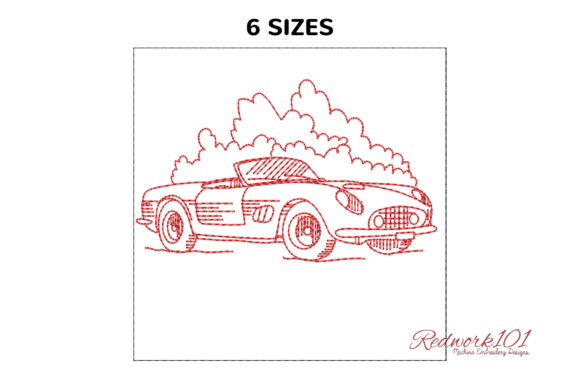
The first impression of the 1961 Ferrari 250 GT SWB design is one of sophisticated nostalgia. Unlike cartoonish or overly simplified car vectors often found in commercial embroidery, this design leans into a classic, illustrative realism. The visual mood is undeniably premium and masculine, yet refined enough to avoid looking like a standard mechanic’s uniform patch. It feels tailored for a boutique brand rather than mass-market merchandise.
A critical feature noted in the product description is the optional box stitch. The outer box is presented in a different color in many previews, but unless it is integral to the composition, it can be skipped entirely during production. This flexibility is vital for apparel decorators. Removing the box transforms the design from a badge-style emblem into a standalone artistic element, allowing for more organic placement on oversized garments or minimalist chest placements. For a hoodie design intended for a modern streetwear aesthetic, skipping the border allows the Ferrari’s silhouette to breathe against the fabric texture, enhancing the perceived value of the handmade product.
Strategic Placement for Boutique Apparel
When planning a small collection around this embroidery file, versatility across different garment types is key. The 1961 Ferrari 250 GT SWB performs exceptionally well across various substrates when hooped correctly.
- Neutral Sweatshirts: On cream, oatmeal, or charcoal sweatshirt embroidery projects, the design serves as a focal point. The contrast between vintage automotive lines and soft fleece creates a trendy, heritage-inspired look that resonates with current fashion demographics.
- Pastel Hoodies: Surprisingly, this classic car design works on softer tones like sage green or dusty rose. By adjusting thread colors to match the pastel base rather than using traditional Ferrari red, you create a unique, gender-neutral piece that expands your target audience beyond traditional car enthusiasts.
- Denim Jackets: This is perhaps the strongest application. The density of denim supports detailed stitching beautifully. Placing the 1961 Ferrari 250 GT SWB on the back panel creates a statement piece, while a smaller version on the wrist cuff adds subtle branding for a small shop product line.
- Tote Bags and Accessories: Canvas tote bags provide a stable, non-stretch surface ideal for this level of detail. These items serve as excellent lower-price-point entry products for customers who want the aesthetic without committing to full custom apparel.
Technical Considerations for Professional Results
While the visual appeal is strong, successful commercial embroidery requires technical diligence. Automotive designs often contain complex gradients and tight lettering that demand respect during the digitizing and production phases. Before listing any finished product in your Etsy shop or online store, several factors regarding stitch density and stabilizer choice must be addressed.
Fabric Texture and Stabilizer Selection
The 1961 Ferrari 250 GT SWB likely contains areas of varying stitch density to render shading and metallic reflections. On stretchy fabrics like jersey t-shirts or lightweight fleece, this density can cause puckering if not properly supported. Always test on scrap fabric identical to your final garment. A cut-away stabilizer is generally recommended for knitwear to maintain registration, whereas tear-away may suffice for woven cotton or canvas. If you are working with ribbed fabric, consider using a water-soluble topping to prevent stitches from sinking into the ribs, which would obscure the fine details of the car’s bodywork.
Hoop Size and Tension Management
Confirm the exact hoop size requirements before purchasing. Automotive silhouettes are often wider than they are tall, requiring rectangular hoops rather than standard squares. Using the smallest appropriate hoop reduces fabric distortion. Additionally, because this design represents a luxury vehicle, thread tension must be flawless. Bobbin thread showing through top stitching will instantly cheapen the appearance. Run a tension test specifically for the satin stitch outlines and fill areas to ensure clean edges. For dark garments, verify that the digitizer has included adequate underlay; without it, dark fabric fibers may migrate through lighter thread colors, muddying the vibrant Ferrari reds and chrome silvers.
Elevating Brand Identity and Buyer Trust
In the crowded space of digital sellers and creative entrepreneurs, product recognition relies on consistency and quality. Using a recognizable, high-fidelity design like the 1961 Ferrari 250 GT SWB signals to buyers that your shop curates premium content. Enthusiasts of this specific model are knowledgeable; they notice inaccuracies. A well-executed embroidery file respects the source material, which translates to buyer trust in your craftsmanship.
Furthermore, this design aids in professional presentation. High-quality stitch-outs photograph better for lifestyle product photos and printable mockups. The distinct shape of the SWB reads clearly even in thumbnail images on social media graphics or marketplace search results. When customers see crisp, detailed embroidery in your listing photos rather than blurry or distorted samples, conversion rates typically improve. The design acts as an anchor for your brand identity, associating your shop with timeless style and attention to detail.
Practical Designer Notes for Production
Before launching a collection featuring this transportation embroidery design, adhere to these practical checkpoints to protect your business and ensure customer satisfaction:
- Verify Licensing: Always review the specific license terms on Creative Fabrica before selling finished apparel. Ensure you have the rights for commercial use of the finished physical product, especially when dealing with trademarked automotive likenesses.
- Thread Color Matching: Do not rely solely on screen colors. Physical thread charts should be compared against reference photos of the actual 1961 Ferrari 250 GT SWB. Authenticity in color selection elevates the design from generic to collectible.
- Test on Similar Garments: Never assume a design that worked on cotton twill will work on heavyweight French terry. Test on the exact blank you intend to sell to check for hoop marks and stabilization adequacy.
- Inspect Tiny Lettering: If the design includes model badging or text, measure the height after stitching. Text under 4mm often becomes illegible. If necessary, edit the file to remove or enlarge small text elements to maintain readability on apparel.
- Mockup Accuracy: When creating printable mockups for listings, ensure the digital representation matches the actual stitch texture. Misleading customers with flat vector art when the product is textured embroidery leads to returns and negative reviews.
The 1961 Ferrari 250 GT SWB embroidery file represents a strong opportunity for apparel decorators seeking to merge automotive passion with boutique fashion sensibilities. Its optional framing allows for adaptive styling across hoodies, tees, and accessories, while its inherent visual weight supports higher price points for custom apparel. By approaching this design with technical care and strategic placement, small clothing brands and handmade business owners can create a cohesive, desirable collection that celebrates both the art of embroidery and the legacy of classic motoring. Always prioritize testing and licensing compliance to build a sustainable, reputable embroidery business.